


Process Mapping: Understand and Improve Processes
"Process mapping makes it so much easier to see improvements!" - Course participants, process mapping.
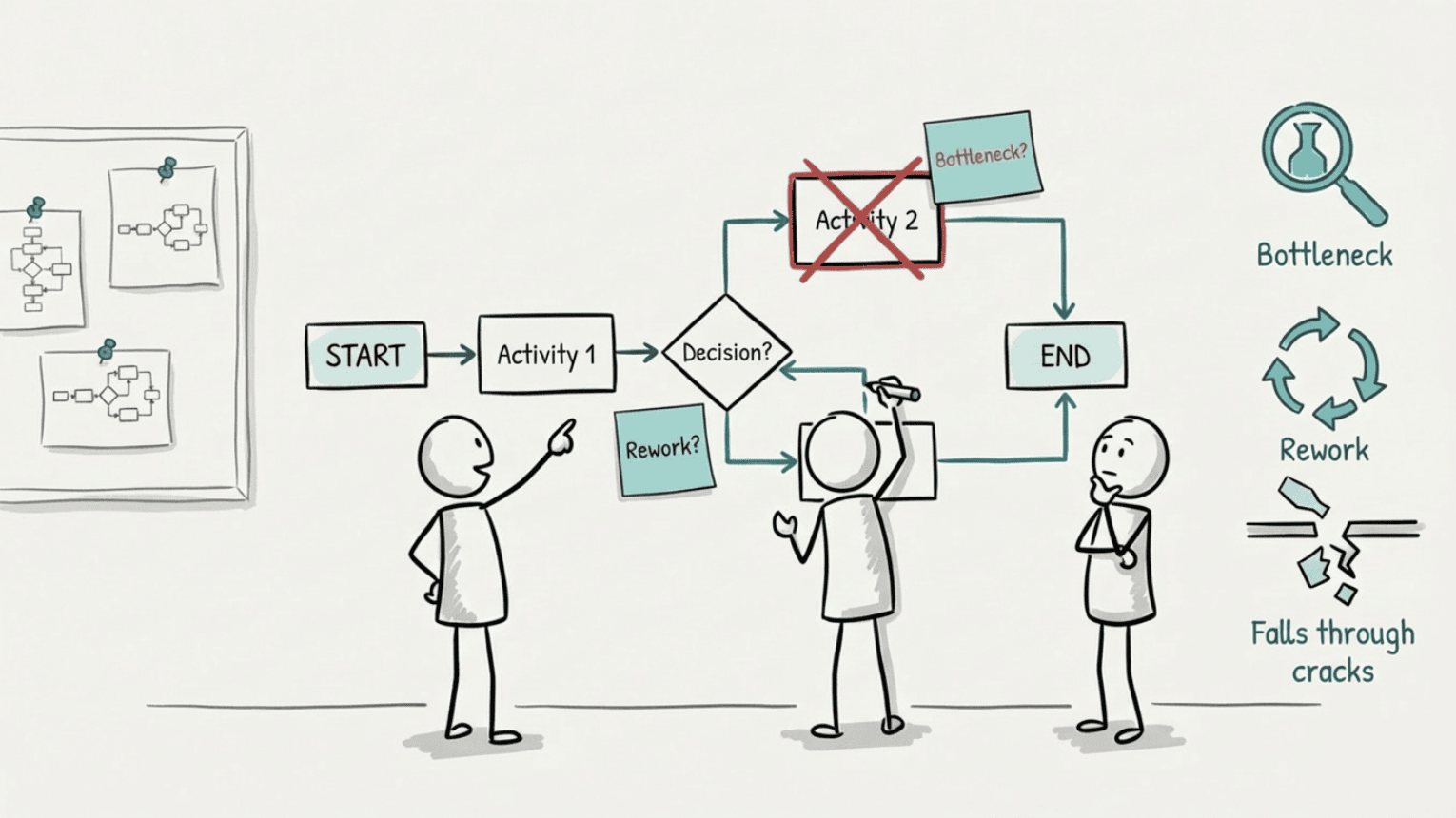
When the team suddenly saw their bottlenecks
In a process mapping course, participants first got an introduction:
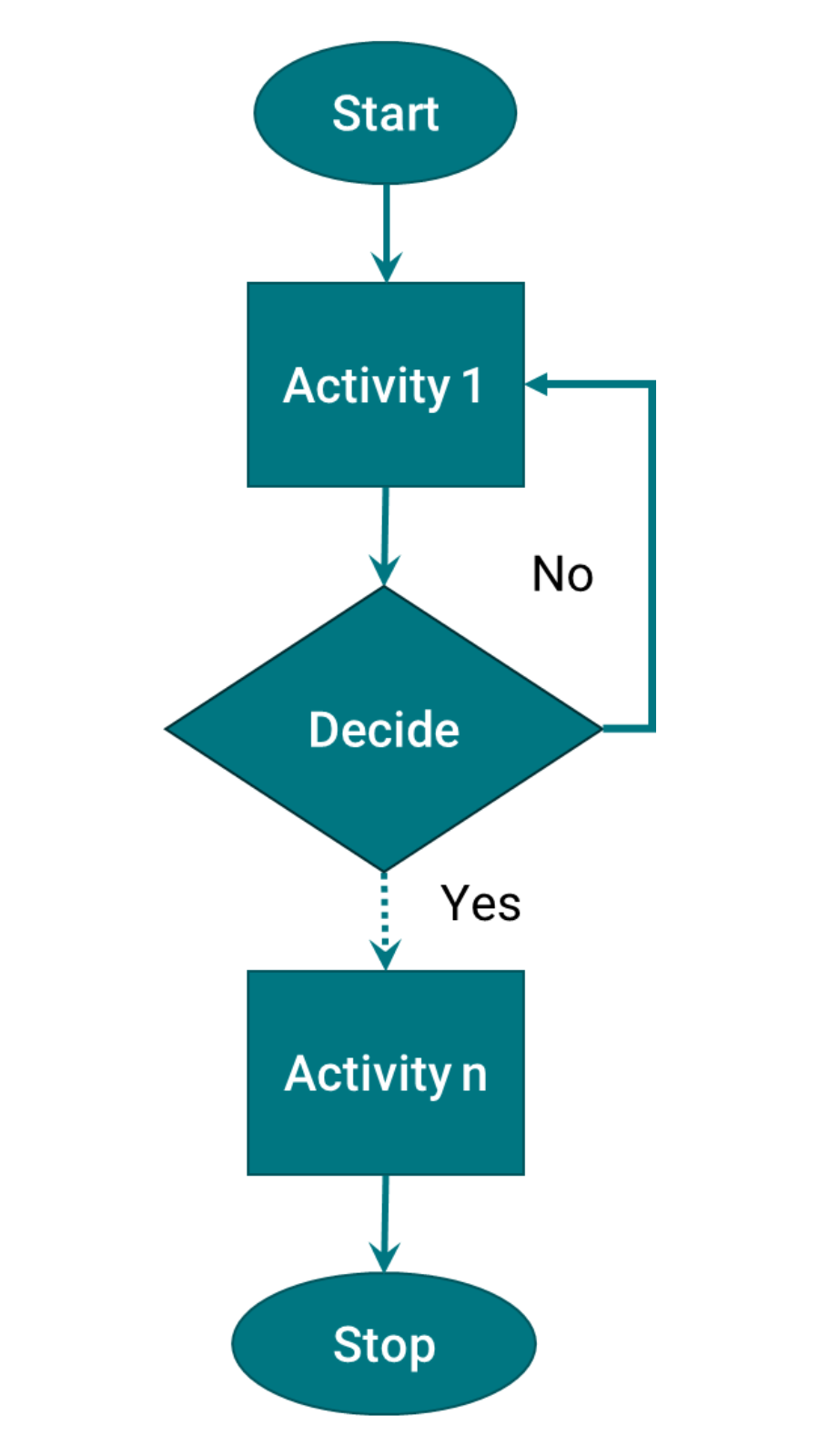
• Clear start and stop
• Verbs describing activities
• Right level of detail with focus on purpose
• Collaboration to build shared understanding
Then they practiced on their own processes. First, mapping the current state. Then looking for improvements.
Unanimous feedback from the group:
"Process mapping makes it so much easier to see improvements!"
They saw:
• Where bottlenecks occurred
• Where duplicate work happened
• Where things fell through the cracks
When you see the process, you see the opportunities.
Briefly summarized
Situation: Teams mapped their own processes and practiced the method on actual work tasks.
Insight: Visualizing the process made it immediately easier to see bottlenecks, duplicate work, and where things fell through the cracks.
Learning: You can't improve what you don't understand. And you can't understand the process until you've visualized it - as it actually is.
Application: Applies to all types of improvement - from municipal services to production and emissions control.
What is process mapping?
Process maps are visual tools that show how activities connect to achieve a result.
They're used for formal documentation, improvement, and designing new processes.
A bad process will give bad results, no matter how skilled the people involved are.
To improve a process, we must first understand it. Process mapping helps us see the process as it actually is - not as it should be or as we think it is.
First, we need to agree on how it actually works. Then we can improve.
Why use process mapping?
- Creates shared understanding of activities, decisions, and sequence
- Makes it easier for those involved to understand the whole and their role
- Reveals interfaces and dependencies between departments and systems
- Easier to see where you need measurements for fact-based decisions
- Can be used in training and improvement work
- Simplifies communication - a picture says more than long procedures
- Reveals challenges and improvement opportunities
- Provides foundation for digitalization and automation
How to conduct process mapping?
- Decide which process to map
- Define the process start and stop points
- Identify main activities between start and stop
- Include decision points and alternative paths
- Add inspections and controls
- Identify improvement opportunities
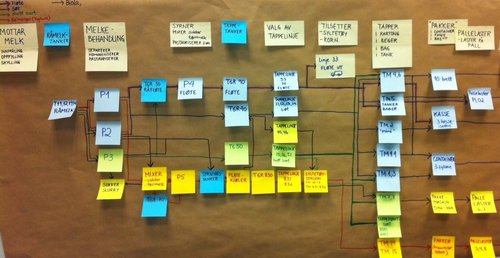
To map the process correctly, we must see how it's actually performed - not how we think it works.
This means going to where the process happens, observing, asking questions, and involving those who do the work.
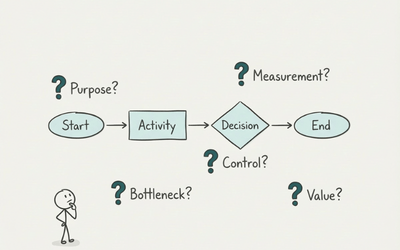
Ask questions to improve the process
- What's the purpose of the process?
- How do we measure if the purpose is achieved?
- What quality controls are performed?
- What happens if a control isn't approved?
- What factors affect the activity?
- Are there unnecessary repetitions?
- Do queues or bottlenecks occur?
Different types of process maps
There are many types of process maps suited for different purposes:
- SIPOC: Gives high-level view of the process, often used for prioritization.
- Spaghetti diagram: Maps movement and transportation of people, materials, and information.
- Value stream mapping: Analyzes process steps and key information related to flow and value creation.
- Swimlane diagram: Shows process steps and who's responsible for each step.
- Process variable map: Helps identify variables affecting quality and performance.
Which process map suits your challenge best?
Do you recognize this?
Maybe you recognize the dynamic:
• The team discusses how the process works, but no one's quite sure
• You discover problems but don't know where in the process they occur
• Improvement efforts focus on symptoms because you don't see the whole
• New employees learn the process differently because it's not visualized
• You spend time discussing who's responsible for what
The consequence? You improve the parts, but not the whole.
Improve the process
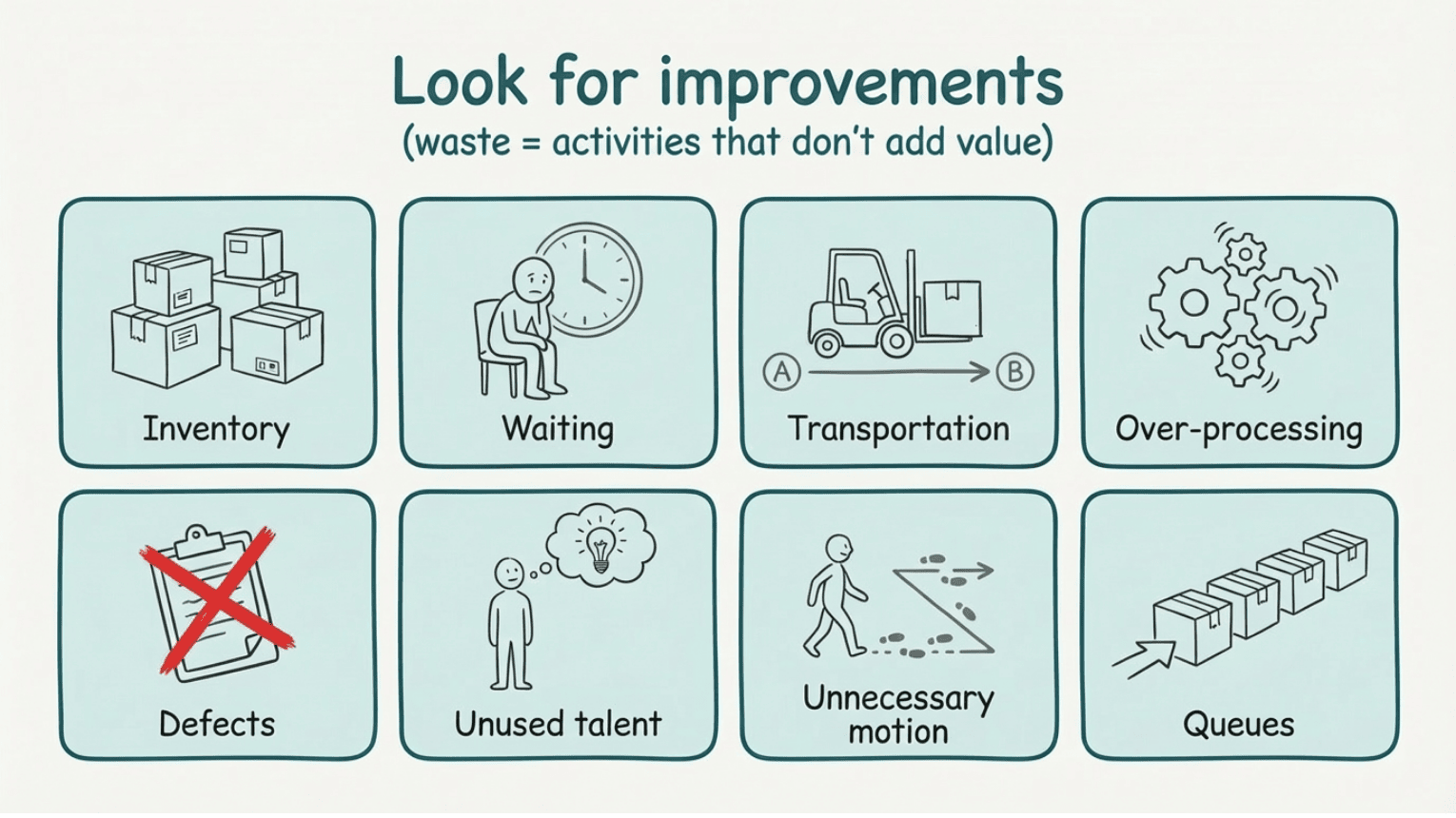
The 8 types of waste:
Once you've mapped the process, systematically look for activities that don't add value. This is called waste.
- Overproduction: Producing more than necessary or before it's needed
- Waiting: Time lost while waiting for resources or information
- Transportation: Unnecessary movement of materials or information
- Over-processing: Doing more than necessary to meet requirements
- Inventory: Excess storage not immediately in use
- Motion: Unnecessary movement that doesn't create value
- Defects: Errors leading to rework or scrap
- Unused talent: Skills that aren't utilized
In process maps you see waste as:
• Loops back to earlier steps (defects, rework)
• Activities without clear value creation (over-processing)
Value stream mapping and spaghetti diagrams also show queues/inventory (overproduction), bottlenecks (waiting), transportation & motion.
Frequently asked questions
How detailed should process maps be?
"Flow charts should be as simple as possible, but not simpler" - Albert Einstein
Think about purpose when considering level of detail. If the goal is to improve a process that takes too long, include details that explain why – for example work-in-progress, cycle time, and waiting time between steps. Without these details, you won't progress. Include irrelevant details and you waste time.
Who should participate when we map?
Those who actually do the work. Leaders can contribute with overview, but the process must be mapped as it's actually performed - not as leadership thinks it works.
What do we do after mapping?
Systematically look for improvement opportunities (see image above). Ask improvement questions: Where are the bottlenecks? Where's the duplicate work? Where do things fall through the cracks? Prioritize improvements based on what gives the biggest effect.
Can we map ourselves, or do we need external help?
You can map yourselves after training. External help is useful the first time to learn the method correctly and avoid common mistakes. After that, you can do it internally.
The most important thing for getting good at process mapping is to practice. The hallmark of a good process map is that it delivers results - fewer misunderstandings, less waiting and queues.
How do we ensure process maps stay updated?
Make it part of improvement work. When the process changes, update the map. Use it in training new employees. If it's not used, it won't be updated.
Learn process mapping in practice
Want your team to see the bottlenecks, duplicate work, and improvement opportunities?
Our Value Stream Mapping course teaches you how to map and improve processes with process maps.
We facilitate process mapping for companies
Need help getting started? We facilitate process mappings and teach the team the method along the way.
Assignments
Contact info
Lean Tech AS | Kristoffer Robins vei 13
0047 481 23 070
Oslo, Norway
Lean
L - Look for solutions
E – Enthusiastic
A – Analytical
N - Never give up